The Future of Construction Procurement in Pakistan: How Digital Marketplaces Are Driving Transparency, Efficiency, and Smarter Sourcing
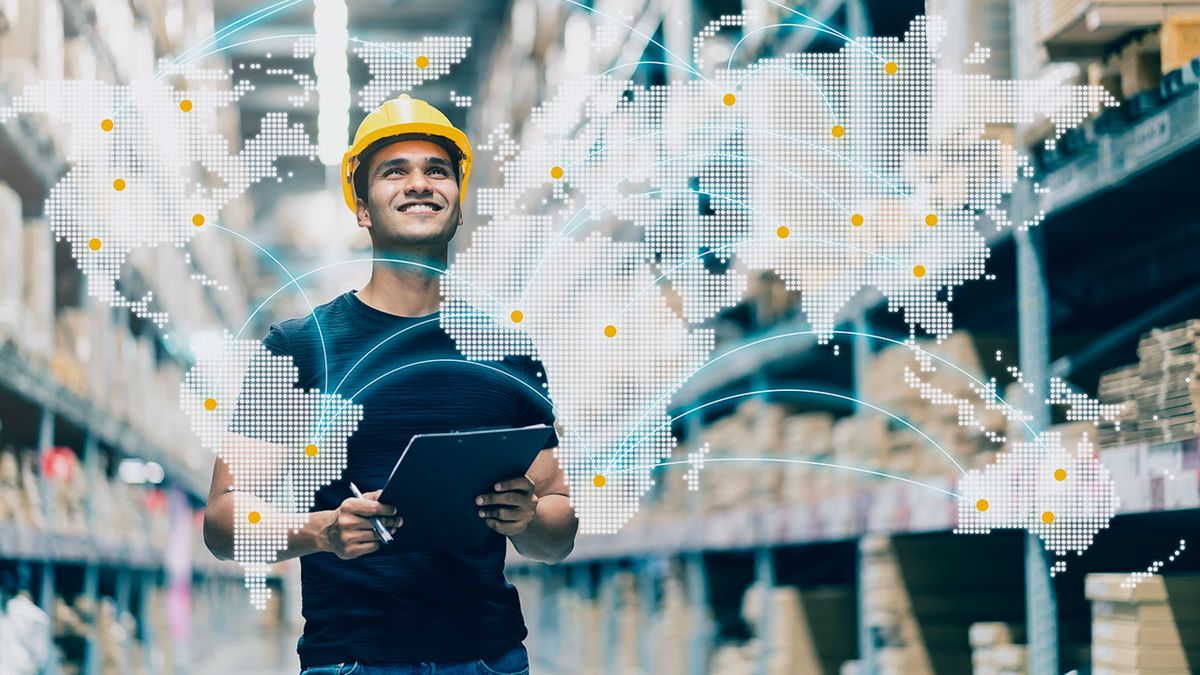
Pakistan’s construction and industrial sectors are at a pivotal turning point, where traditional procurement practices—often dependent on manual coordination, phone-based negotiations, and limited supplier networks—are no longer sufficient to meet the demands of modern, fast-paced projects. For decades, businesses have struggled with inconsistent pricing, unreliable suppliers, delayed deliveries, and a lack of transparency that ultimately leads to cost overruns and project inefficiencies. In this evolving landscape, digital transformation is not just an option but a necessity, and B2B procurement platforms like Pakthekedaar are leading this shift by redefining how businesses source and manage materials. By digitizing the procurement process, companies gain instant access to a broad ecosystem of verified suppliers across multiple categories including steel, cement, electricals, plumbing, HVAC systems, paints, and industrial equipment, all within a single, unified platform. This centralized approach eliminates the traditional dependency on fragmented supplier networks and middlemen, allowing procurement teams to make faster, more informed decisions through real-time price comparisons, product availability insights, and transparent supplier ratings. One of the most significant advantages of digital marketplaces is the level of transparency they introduce into a historically opaque system. Buyers can clearly evaluate supplier credibility, compare quotations without hidden costs, and ensure that they are receiving competitive market rates, which significantly reduces the risk of overpricing or procurement fraud. At the same time, suppliers benefit from increased visibility and access to a wider customer base, creating a more competitive and efficient market environment. Beyond transparency, efficiency is another critical factor driving adoption. What once took days or even weeks—identifying suppliers, negotiating rates, confirming availability, and coordinating logistics—can now be completed in a matter of hours through a streamlined digital interface. This acceleration in procurement cycles directly impacts project timelines, helping businesses avoid costly delays and maintain tighter control over execution schedules. Furthermore, digital procurement platforms enable data-driven decision-making, which is becoming increasingly important in large-scale construction and infrastructure projects. By leveraging procurement data, businesses can analyze spending patterns, forecast material requirements more accurately, and identify opportunities for cost optimization without compromising on quality. This level of insight was nearly impossible to achieve with traditional methods, where records were often scattered or manually maintained. In addition, the integration of digital tools fosters better communication and coordination between stakeholders, ensuring that procurement aligns seamlessly with project planning and execution phases. A one-stop solution like Pakthekedaar not only simplifies purchasing but also enhances accountability, as every transaction is recorded, traceable, and measurable, reducing disputes and improving overall trust within the supply chain. As Pakistan continues to expand its infrastructure footprint through public and private sector investments, the need for smarter, more resilient procurement systems will only grow stronger. Digital marketplaces are playing a crucial role in building this future by bridging the gap between buyers and suppliers, reducing inefficiencies, and creating a more structured and reliable procurement ecosystem. Businesses that adopt these platforms early will gain a significant competitive advantage, benefiting from reduced costs, improved operational efficiency, and greater control over their supply chains. Ultimately, the future of construction procurement in Pakistan lies in embracing technology-driven solutions that not only address existing challenges but also unlock new opportunities for growth, innovation, and long-term sustainability in the industry.